
Why Do Asians Burn Three Incense Sticks? A Guide to Incense Culture Across Asia
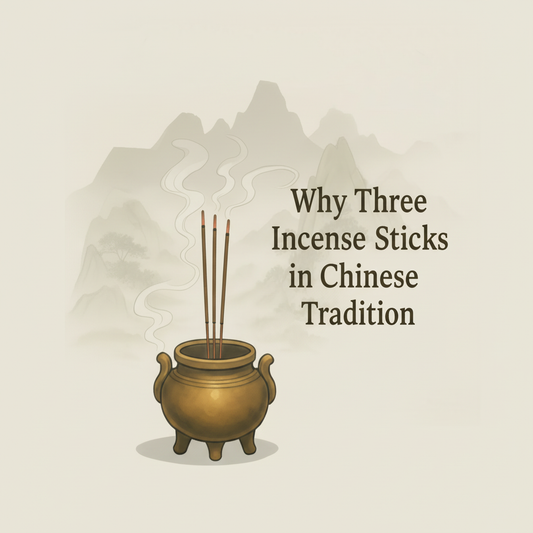
Across Asia, from China to Southeast Asia and beyond, the practice of burning three incense sticks is a universal spiritual tradition rooted in cosmology, religion, and ancestor veneration, reflecting a shared cultural heritage that transcends borders.
What You'll Discover:
From the bustling temples of Bangkok to the serene Zen gardens of Kyoto and the quiet family altars in Fujian, a single, unifying image emerges: three sticks of incense, their fragrant smoke spiraling towards the heavens. This simple act, repeated by millions daily, is more than just a ritual; it's a silent language that connects diverse cultures, honors ancient beliefs, and sanctifies the present moment. But why three? This guide will take you on a journey through the rich tapestry of incense culture across Asia to uncover the profound meaning behind this timeless tradition.

The Common Thread: Why Three Sticks Across Asia?
The prevalence of burning three incense sticks is no coincidence. It's a practice woven from three main threads that run through the continent's history: shared cosmology, religious diffusion, and the deep-rooted importance of family.
- Cosmological Harmony: Many Asian cultures share a worldview centered on the trinity of Heaven, Earth, and Humanity. The three sticks represent this cosmic balance, an act of aligning oneself with the universe.
- The Spread of Buddhism: As Buddhism traveled from India along the Silk Road, it carried the concept of the Three Treasures (or Triple Gem): the Buddha (the enlightened one), the Dharma (the teachings), and the Sangha (the community). Offering three sticks became a universal sign of reverence for these pillars of faith.
- Ancestor Veneration: The practice of honoring those who came before is a cornerstone of many Asian societies. The three sticks often symbolize a connection to the past (ancestors), the present (oneself), and the future (descendants).
A Journey Through Asia's Incense Traditions
While the number three is a common link, each culture has infused the practice with its own unique flavor and meaning.
China: The Cradle of Incense Culture
In China, the tradition is deeply intertwined with both Taoism and Buddhism. For Taoists, the three sticks honor the Three Pure Ones (Sanqing), the highest deities representing the primordial energies of the Dao. For Buddhists, they represent the Three Treasures. It's a practice of profound respect, seen everywhere from grand temples in Beijing to humble home altars in the countryside.
Vietnam: A Blend of Beliefs
Vietnamese incense culture is a beautiful fusion of Mahayana Buddhism, Taoism, and indigenous folk religions. The three sticks are a near-universal sight at family altars, where they are offered to honor ancestors, the Kitchen God (Táo Quân), and the Buddha. During Tết (Lunar New Year), the air is thick with the scent of burning incense as families invite the spirits of their ancestors to join the celebration.
Thailand: Devotion in Daily Life
In Thailand, where Theravada Buddhism is prevalent, burning three incense sticks is an integral part of daily devotion. Thais offer them before Buddha images in temples and homes, often accompanied by a lotus flower and a candle. The three sticks symbolize reverence for the Buddha, his teachings (Dhamma), and the monastic community (Sangha). The fragrant smoke is seen as a pure offering that carries prayers and respects.
Japan: The Way of Incense (Kōdō)
While the practice of burning three sticks is common in Japanese Buddhism, Japan also developed a highly refined art form known as Kōdō (香道), or the "Way of Incense." Here, the focus is on appreciating the subtle fragrances of aromatic woods like agarwood. In Zen Buddhism, a single stick of incense is often used to time meditation sessions, its slow burn marking the passage of time and grounding the practitioner in the present moment.
Cambodia, Singapore, and Malaysia
In Cambodia, the practice mirrors that of Thailand, with three sticks being a standard offering in Buddhist temples. In the multicultural hubs of Singapore and Malaysia, the tradition is primarily maintained by the Chinese diaspora, where it serves as a powerful link to their cultural and religious heritage, practiced in bustling urban temples and private homes alike.
At a Glance: Incense Practices Across Asia
| Region | Primary Religions | Symbolism of Three Sticks | Common Fragrances |
|---|---|---|---|
| China | Buddhism, Taoism | The Three Treasures / The Three Pure Ones | Sandalwood, Agarwood |
| Vietnam | Buddhism, Folk Religion | The Three Treasures, Ancestors | Agarwood, Cinnamon |
| Thailand | Theravada Buddhism | The Three Treasures (Buddha, Dhamma, Sangha) | Sandalwood, Jasmine |
| Japan | Buddhism, Shinto | The Three Treasures / Purification | Agarwood, Sandalwood |
How to Create Your Own Modern Incense Ritual
You don't need a temple to connect with this ancient tradition. Creating a personal incense ritual can be a powerful way to bring mindfulness and peace into your daily life.
- Set Your Intention: Before you light the incense, take a moment to decide what this ritual is for. Is it for gratitude, clarity, or simply a moment of calm?
- Choose Your Scent: Select a fragrance that matches your intention. Our Handmade Incense Gift Set offers 10 distinct natural scents, from grounding Sandalwood to clarifying Frankincense.
- Light with Respect: Light the tip of the incense stick. If a flame appears, gently fan it out with your hand rather than blowing on it. This is a sign of respect in many traditions.
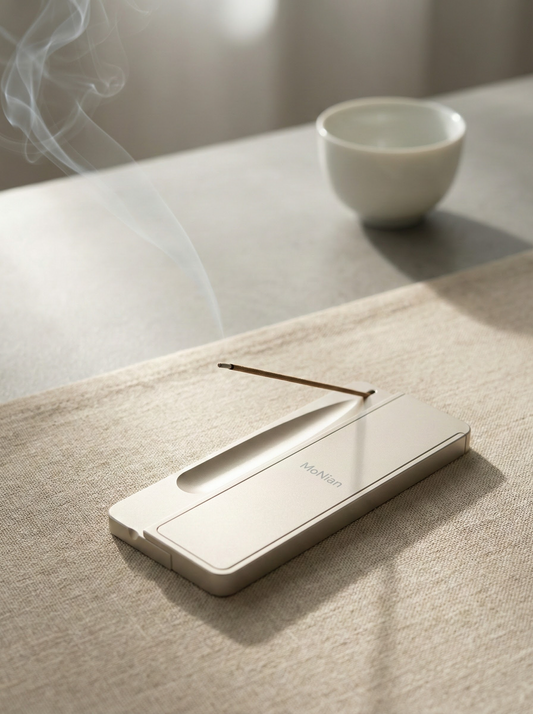
- Observe and Breathe: Place the stick in a holder. As you watch the smoke curl and drift, take several deep breaths. Allow the fragrance to fill your space and calm your mind.
Begin Your Own Tradition
Ready to explore the profound world of Asian incense culture? Our Handmade Incense Gift Set is the perfect starting point. It features 10 curated fragrances, including traditional favorites like Sandalwood and Agarwood, allowing you to connect with these ancient practices in your own home.
Discover the 10-Fragrance Gift SetFrequently Asked Questions
Q1: Is it okay to burn just one incense stick?
Absolutely. In many traditions, especially Zen Buddhism, a single stick is used for meditation to mark time and aid focus. The number of sticks often depends on the specific intention.
Q2: What is the best way to extinguish an incense stick?
It's best to let it burn out naturally in a safe holder. If you must extinguish it, gently press the glowing tip against a fireproof surface rather than using water.
Q3: Are there any health concerns with burning incense?
Choosing high-quality, natural incense is key. Avoid products with synthetic chemicals. Our incense is made from 100% natural woods, resins, and herbs, ensuring a clean and pure burn. Always burn incense in a well-ventilated area.
Tags:
Previous
How to Use Incense in Chinese Rituals: A Guide to Ancient Practices
Next
Is Burning Incense Indoors Safe? A Guide to Daily Rituals