
Incense and Meditation: The Architecture of Awareness
Incense and Meditation: The Architecture of Awareness
Meditation is not a battle against thoughts, but the construction of a space where stillness can inhabit. By leveraging the ancient technology of olfactory anchoring, specifically through sandalwood incense, we build an invisible bridge that bypasses the logical mind and leads directly to presence.
Reading Guide:
The Limbic Shortcut: How Scent Hacks the Brain
Olfactory anchoring is the physiological process where a specific scent triggers an immediate emotional or cognitive state. Unlike sight or sound, which are processed through the thalamus (the brain's relay station), scent travels directly to the limbic system—the ancient seat of memory and emotion.
This biological direct line explains why a familiar scent can instantly transport you back to a childhood memory. In the context of meditation, we can hijack this mechanism. By consistently burning a specific incense during practice, the brain creates a Pavlovian association: the scent of sandalwood becomes the neurological signal for "stillness."
"The inhalation of musk and sandalwood aroma has been observed to reduce cortisol levels and is effective in relieving stress, creating a physiological baseline for deep rest."
— ScienceDirect Research on Aromatherapy
Why Sandalwood? The Buddhist Choice
Sandalwood is revered in Buddhist tradition not merely for its pleasant aroma, but for its unique psychoactive property: it promotes "alert calm." While many scents like lavender are sedative (inducing sleep), and citrus scents are stimulating (inducing energy), sandalwood occupies the "Middle Way."
For centuries, monks have used sandalwood to combat the two main obstacles to meditation: agitation (restlessness) and torpor (drowsiness). The scent grounds the body, reducing anxiety, while its subtle brightness keeps the mind sharp and focused. This specific balance is why it is often called the "Fragrance of Excellence" in ancient texts.
Sandalwood
Optimal
Primary Effect: Grounding + Alertness
Meditation Suitability: Optimal (Balances focus and calm)
Lavender
Primary Effect: Sedation
Meditation Suitability: Low (Risk of falling asleep)
Citrus / Mint
Primary Effect: Stimulation
Meditation Suitability: Medium (Good for energy, bad for stillness)
Artificial Fragrance
Primary Effect: Irritation
Meditation Suitability: None (Disrupts breathing patterns)
The 30-Minute Ritual: Time-Keeping for the Soul
Incense sticks were the original meditation timers. In ancient monasteries, a "stick of time" was a standard unit of measurement. Using incense to time your session removes the jarring intrusion of a digital alarm, allowing the practice to end as naturally as a fading ember.
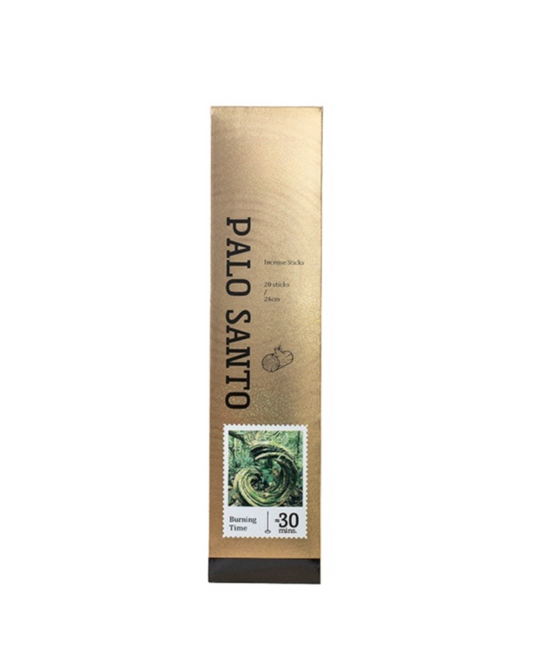
Monian's Nepalese Sandalwood sticks are handcrafted to burn for approximately 30 minutes. This duration is architecturally perfect for a daily "sit"—long enough to settle the mind, but short enough to fit into a modern morning routine. When the scent fades, the session is complete.
The Foundation of Your Practice
Hand-rolled in Nepal using pure sandalwood, Himalayan cedar, and basil. No synthetics, just the scent of centuries.
Nepalese Sandalwood Incense (15 pcs)
Experience the AnchorHow to Integrate Incense into Practice
To transform incense from a simple air freshener into a tool for awareness, consistency is key. Follow this architectural approach to building your ritual space.
The Protocol of Presence
- The Preparation: Place your burner on a stable surface. Ensure the room has gentle airflow but no direct drafts.
- The Ignition: Light the tip of the sandalwood stick. Let the flame burn for a few seconds, then gently fan it out (do not blow with your breath, as tradition suggests this disperses vital energy).
- The Anchor: As the first wisp of smoke rises, take three deep breaths. Consciously label this scent in your mind as "Time for Stillness."
- The Sit: Close your eyes. Let the scent be a background anchor. If your mind wanders, gently return your attention to the aroma, then back to your breath.
- The Completion: When the stick burns out, bow internally to your efforts. Carry the residual scent of "alert calm" with you into the day.
By treating the lighting of incense as a deliberate act of architecture—building a sanctuary in time—you reclaim your attention from the chaos of the world. The smoke rises, and with it, the noise settles.
Tags:
Previous
Incense and Candle: The Architecture of Stillness
Next
Incense as Temporal Anchor: Marking Time, Not Changing States | Monian