
Why Attention Is Currency and How to Spend It Well
One message arrives. Then another tab opens. Minutes pass between small choices. Nothing seems dramatic, yet the hour feels divided.
That is why people call attention a currency. Attention is limited. Every choice spends part of it. Unlike money, spent time cannot return.
This guide explains the idea without alarm. It also offers practical boundaries for daily use.
What does “attention is currency” mean?
Short answer: attention is scarce, useful, and spent through choices. Your attention helps decide what you notice, learn, and finish. It also has commercial value when platforms sell advertising.
The phrase is a comparison, not a financial rule. Nobody holds a fixed daily balance. Attention also changes with context, rest, interest, and demands.
| Question | Money | Attention |
|---|---|---|
| Is it limited? | Usually limited at a given moment | Limited by time and mental capacity |
| Can choices allocate it? | Yes | Yes |
| Can it be recovered? | Sometimes | Past time cannot return |
| Can businesses value it? | Directly | Indirectly through viewing and action |
Where did the idea come from?
Herbert Simon described this problem in 1971. Information consumes the attention of its recipients, he argued. More information therefore creates greater attention scarcity. [1]
“A wealth of information creates a poverty of attention.”
Simon wrote before social feeds and push notifications. His core tradeoff still applies. More available information requires more selection.
This is the basic attention economy. Information is abundant. Human time remains limited.
Why does task switching have a cost?
A switch can end on screen before it ends mentally. Researcher Sophie Leroy called the remaining pull “attention residue.” Her studies examined transitions between work tasks. Performance declined when attention remained with unfinished work. [2]
Interruptions can also change how work feels. A UCI study found that interrupted participants worked faster. They also reported more stress, frustration, effort, and time pressure. [3]
These studies concern work settings. They do not measure every phone check. Still, they show why repeated transitions deserve attention.
Does technology steal your attention?
“Steal” is often too simple. Many tools provide real value. People also make choices within those tools.
However, platforms shape the choices users see. Autoplay, alerts, and recommendations can extend a session. The design and the user both matter.
The commercial system matters too. A 2024 FTC report examined major social platforms. It found extensive data collection and monetization practices. [4]
This does not make every recommendation harmful. It explains why engagement has financial value.
How to spend attention more deliberately
The goal is not perfect control. The goal is a visible choice. Start with one repeated moment.
1. Name the next action
Write one sentence before opening a device. For example: “Reply to Elena, then close email.” A clear ending reduces open-ended browsing.
2. Remove one entry point
Choose one interruption you can remove. Silence one alert. Close one tab. Move one distracting app from the home screen.
3. Leave a return note
Interruptions are sometimes necessary. Before switching, write the next unfinished step. That note gives your return a clear starting point.
4. Mark a time boundary
Choose a short period for one activity. A timer works well. A physical object can mark the same boundary.
5. Review without judgment
At day’s end, list three attention choices. Keep the review factual. What opened the session? What ended it? What remained unfinished?
This review is about observation. It is not a score of character.
Using incense as a time marker
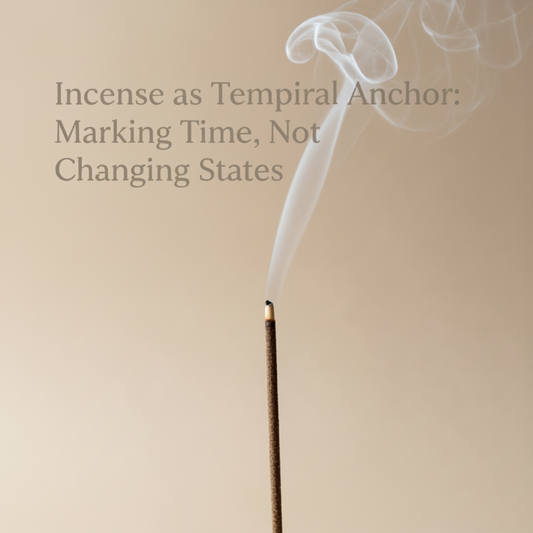
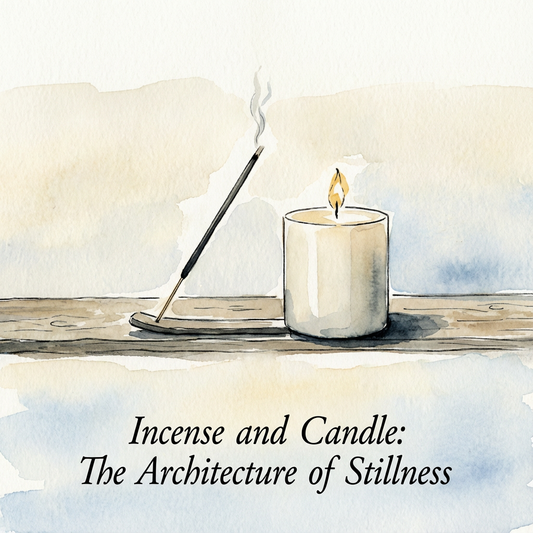
Incense does not create attention. It can mark a beginning and an end. That role is practical and visible.
Choose one task before lighting incense. Put the phone outside reach. Keep a note nearby for unrelated thoughts. Stop when the planned period ends.
Burn time varies by product and conditions. Check the product details. Never use a guessed duration as a timer.
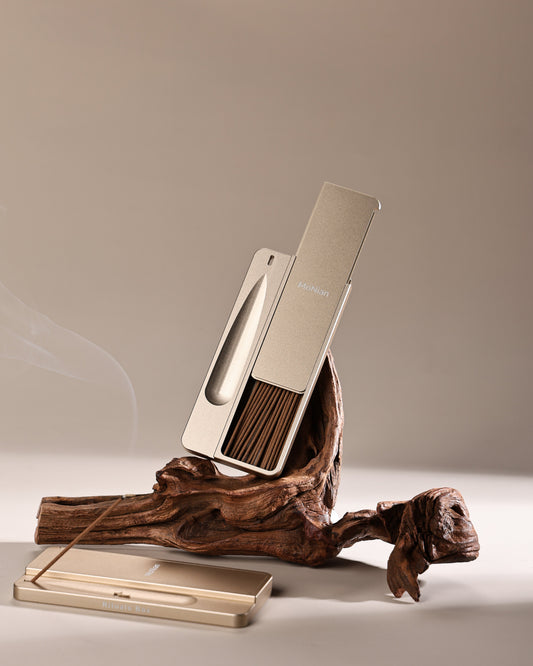
Use a stable, heat-safe holder. Keep incense away from drafts and flammable items. Ventilate the room. Never leave burning incense unattended. Keep it away from children and pets.
Read more about incense as a temporal anchor. You can also view MoNian’s incense collection.
Monian is not about stopping thoughts. It is about returning to presence.
Questions about attention as currency
Why is attention called currency?
Attention is limited and allocated through choices. Businesses can also convert audience attention into advertising value.
Is attention more valuable than money?
There is no universal exchange rate. The comparison highlights scarcity. Money can sometimes return. Past time cannot.
What is attention residue?
It is attention that remains on a previous task. That residue can affect the next task, especially after an unfinished transition. [2]
Can incense improve focus?
This article makes no performance claim. Incense can serve as a chosen time marker. Results depend on the person and setting.
What is a simple first step?
Choose one task and one ending. Then remove one obvious interruption during that period.
Sources
- Herbert A. Simon: Designing Organizations for an Information-Rich World
- Sophie Leroy: The Challenge of Attention Residue
- Gloria Mark, Daniela Gudith, and Ulrich Klocke: The Cost of Interrupted Work
- Federal Trade Commission: A Look Behind the Screens
Sources checked September 20, 2026.
A small next step
Pick one fifteen-minute task today. Name its ending. Then notice what asks for your attention.
Explore MoNian for incense and everyday objects that can mark time.
Tags: